Best Snorkeling in Tortola, BVI — Private Charter Tours & Spots Guide
Drift through the sea caves of Norman Island, hover over spotted eagle rays at Cistern Point, and snorkel the sunlit reefs of Cooper Island and Peter Island — all from the deck of a private charter that goes wherever your group wants. Every Tortola snorkeling tour on this page is run by a licensed BVI operator with free cancellation.
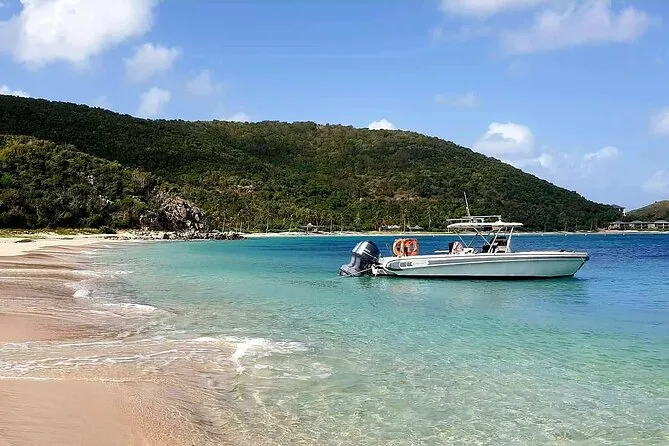
Tortola's own beaches are for swimming; the snorkeling is at the islands around it, so the tours here are boats. Norman Island's caves, Cistern Point off Cooper Island and the reefs of Peter Island are the standard route. A private full-day charter costs $1,600 to $1,690 for the boat, and a 4-hour private trip to nearby beaches is $300.
Split among eight people a $1,690 charter is about $211 each, which is how these boats are normally booked
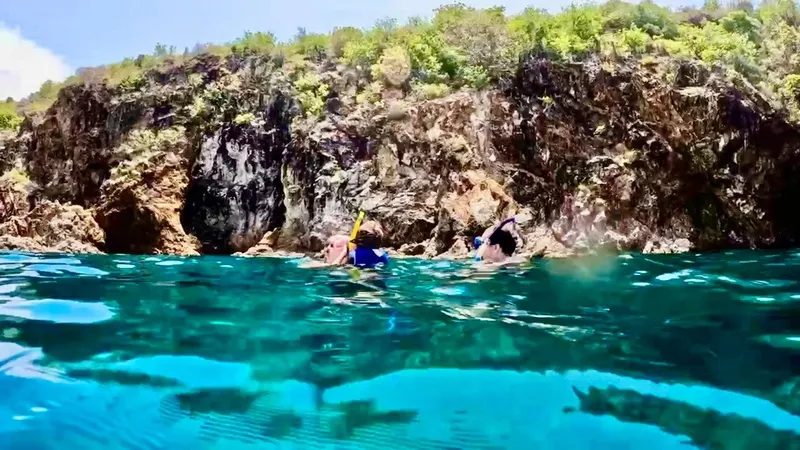
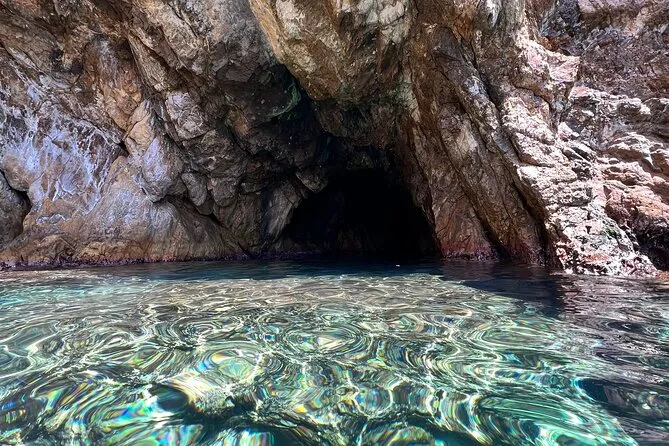
The Norman Island caves are shallow enough to snorkel into, which is why they, and not the open reefs, are the signature stop
Carry your passport: several of these routes cross between island groups during the day
Sleeping near the boat? Guests' top-rated marina hotels start at $146 a night → see hotels
Licensed BVI boat operators only
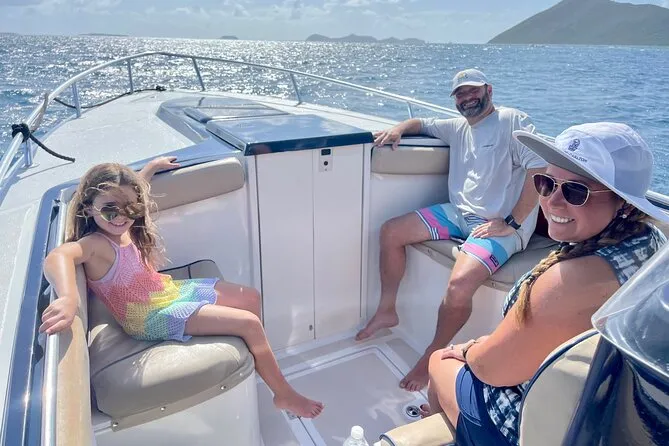
Private charters — just your group
Free cancellation 24 hrs before
76–82°F water year-round
60 ftVisibility on calm BVI days
200+Marine species in BVI waters
$300Starting price — private group
76–82°FWater temperature year-round
Best Seller — 5.0★ | 31 Verified Reviews
The BVI's Highest-Rated Private Snorkel Charter
"Seas the Day" — Private BVI Island-Hopping & Snorkeling Charter
★★★★★★★★★★5.0(31 reviews)
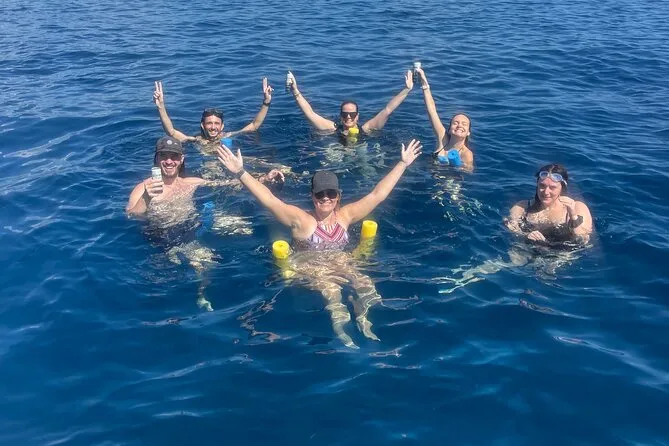
Skip the crowded group tours on a fully private BVI boat charter with Shore to Shore. Hike the granite boulders at The Baths on Virgin Gorda, snorkel the sea turtle caves at The Indians on Norman Island, grab gelato at Cooper Island, and finish the day with a Painkiller at the legendary Soggy Dollar Bar on Jost Van Dyke.
Duration
7 hours — departs 8:30 AM from Road Town cruise pier
Best Time
November–June (peak season); dry season brings the clearest water
Price Range
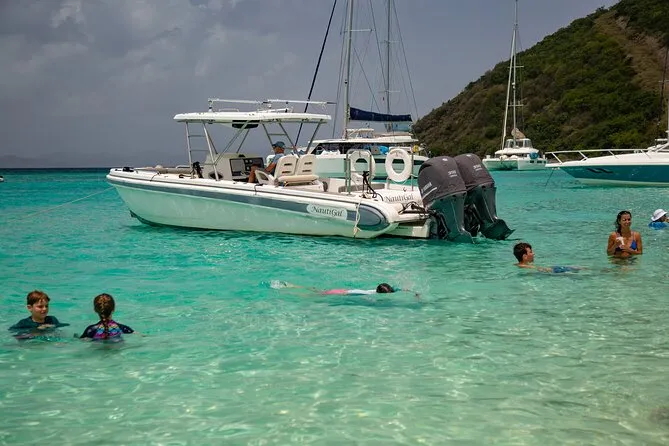
$1,690 per group — up to 7 guests, drinks, sea scooters & snorkel gear all included
Check Live Dates for the Private Tortola Snorkel Tour
Real-time availability for the private 4-hour snorkeling tour along Tortola's best beaches — hidden sea cave included, snorkel gear provided, just your group on board.
Tortola Snorkeling Tours — All Private Charters Compared
Every snorkeling tour in Tortola worth booking is a private charter — there are no large-group snorkel boats in the BVI the way you find in Cancún or Nassau. These three options cover the full range: a half-day private snorkeling tour of Tortola's best beaches and a hidden sea cave from $300 per group, and two full-day island-hopping charters that cover the BVI's greatest hits — Norman Island caves, The Indians, The Baths at Virgin Gorda, Cooper Island, and the legendary Soggy Dollar Bar on Jost Van Dyke. Every operator below is licensed, insured, and consistently reviewed.
from $1,690
"Seas the Day" — Private BVI Island-Hopping & Snorkeling Charter
★★★★★★★★★★5.0(31 reviews)· 7 hours
Skip the crowded group tours on a fully private BVI boat charter with Shore to Shore. Hike the granite boulders at The Baths on Virgin Gorda, snorkel the…
Private BVI Full Day — Soggy Dollar Bar, Norman Island & Willy T
★★★★★★★★★★4.5(5 reviews)· 7 hours
Spend a full day island-hopping the British Virgin Islands aboard a private 32-foot power boat with Antilles Power Boats. Swim the white sand of White Bay at Jost…
A private half-day snorkeling tour of Tortola's best beaches, including a stop at a hidden sea cave with crystal-clear BVI waters. Expert local guides lead your group to…
Snorkeling in Tortola & the BVI — What You Need to Know
$300Starting charter pricePrivate half-day snorkeling tour of Tortola's beaches and hidden cave — from $300 per group
5.0 ★Top charter ratingSeas the Day BVI charter — 31 verified reviews, recommended by 100% of travelers
60 ftVisibility on calm daysPeak-season BVI water clarity, November through April — one of the clearest in the Caribbean
40+Named BVI snorkel sitesFrom Norman Island's sea caves to Anegada's coral reefs, the BVI has more named sites per square mile than almost anywhere in the Caribbean
76–82°FYear-round water temperatureWarm, wetsuit-optional snorkeling every month — slightly warmer July–September
1867Year RMS Rhone sankThe famous Salt Island shipwreck is one of the Caribbean's most celebrated snorkel and dive sites — visible from the surface on calm days
Tortola Snorkeling Travel Guide — How to Snorkel in the BVI: Top Spots, Marine Life & Conditions
Tortola sits at the heart of the British Virgin Islands — a 60-island archipelago in the northeastern Caribbean where calm, protected waters have built one of the region's greatest snorkeling destinations over millions of years. The best spots are spread across a cluster of islands within a single day's boat travel: snorkeling spots in the BVI range from 10-foot granite boulder pools to 45-foot coral pinnacles populated by spotted eagle rays, and the excellent snorkeling opportunities available on a single private charter from Tortola are unmatched anywhere in the Caribbean. Unlike the open-ocean reefs of the Bahamas or the Barrier Reef, snorkeling in the BVI takes place in sheltered channels and bays between islands, where depths are manageable, currents are gentle, and the visibility regularly reaches 60 feet on calm winter days.
What makes BVI snorkeling genuinely special is the combination of locations: within a single full-day private charter from Tortola, you can snorkel sea caves inhabited by hundreds of reef fish, drift over coral gardens populated by spotted eagle rays and hawksbill turtles, and wade through granite boulder formations found nowhere else in the Caribbean. Here is what you will find at each major snorkeling spot in the BVI.
Spot
Location
Depth
What You'll See
Best For
The Indians (sea caves)
Norman Island
15–40 ft
Sea turtles, reef fish, eagle rays, moray eels
All levels — sea caves make this the BVI's most iconic snorkel stop
The Bight
Norman Island
10–25 ft
Starfish, reef fish, brain coral
Beginners and families — calm, sheltered bay
Cistern Point
Cooper Island
10–25 ft
Sea turtles, spotted eagle rays, soft coral
All levels — one of the most reliable turtle sighting spots in the BVI
Cooper Island Reef
Cooper Island
20–35 ft
Eagle rays, lobster, angelfish, brain coral
Intermediate — good visibility, occasional mild current
The Baths National Park
Virgin Gorda
5–15 ft
Reef fish, granite pools, crystal water
All levels — explore between granite boulders, snorkel in the surge
Peter Island Reefs
Peter Island
20–45 ft
Nurse sharks, eagle rays, coral pinnacles
Experienced — deeper, more exposed
Monkey Point
Guana Island
20–40 ft
Sea turtles, eagle rays, healthy coral
Intermediate to experienced
RMS Rhone Wreck
Salt Island
30–80 ft
Shipwreck, moray eels, reef fish, barracuda
Experienced — bow section visible from snorkel depth
Fallen Jerusalem
South Sound
10–25 ft
Coral gardens, reef fish, nurse sharks
Intermediate
Diamond Reef
East End, Tortola
15–35 ft
Hard and soft coral, parrotfish, blue tangs
Intermediate — calm waters east of main island
Brewer's Bay
Tortola
5–20 ft
Reef fish, coral, sea turtles
Beginners — accessible from shore
Smugglers Cove
Tortola
5–15 ft
Reef fish, calm clear water
Families and beginners — snorkeling straight from the beach
Norman Island — The BVI's Best Snorkeling Destination
Norman Island is the undisputed highlight of snorkeling in Tortola and the BVI — the site that every full-day charter makes the centrepiece of the itinerary. The island is believed to have inspired Robert Louis Stevenson's Treasure Island, and its submerged geography lives up to the legend. The Indians — four dramatic volcanic rock pinnacles rising from 15 feet of water off the island's northwest point — are the most visited snorkel site in the entire BVI. At their base, three interconnected sea caves open into the cliff face, each lit by shafts of light filtering down through crystal-clear water. Inside, the walls are encrusted with sponges, soft coral, and sea fans; schools of glassfish part around you; and green sea turtles are spotted on the majority of visits.
Anchor a short swim away in The Bight — Norman Island's main bay — and the marine life shifts to calmer reef fish over sandy seafloor. Sea stars and brain coral line the bottom. The Willy T, the famous floating bar moored in The Bight, gives the island a particular character. Most full-day Tortola snorkel charters spend two to three hours at Norman Island total — snorkeling The Indians, then swimming The Bight before lunch at Pirates Bight restaurant on the beach.
The Indians: three lit sea caves, sea turtles, and hundreds of reef fish at 15–40 feet
The Bight: calm, shallow snorkeling alongside starfish, brain coral, and small reef fish
Sea turtle sightings at The Indians are reliable on most fair-weather visits
Both sites are reachable only by boat — no public transport from Tortola to Norman Island
Best conditions: morning departures avoid afternoon chop; November–April for maximum visibility
Cooper Island & Cistern Point — Eagle Rays and Sea Turtles in the BVI
Cooper Island sits six miles south of Tortola in the Sir Francis Drake Channel — close enough for a half-day trip, rewarding enough to anchor for two snorkel stops. Cistern Point, on the island's north face, is regarded as one of the most reliable sea turtle snorkeling spots in the entire BVI. Green and hawksbill turtles graze the seagrass beds here daily, at depths of 10 to 25 feet, and are habituated to snorkelers — they continue feeding rather than diving when approached calmly. Spotted eagle rays are a regular sight at Cistern Point, gliding over the sandy channels between coral heads with their distinctive wing-beat motion.
Around the island's east side, Cooper Island Reef offers more advanced snorkeling: coral pinnacles rising to within 20 feet of the surface, colonised by angelfish, rock beauties, spiny lobster, and schools of blue chromis. Moray eels peer from crevices in the coral. Both sites are consistently included in the 7-hour full-day BVI charters from Tortola, often combined with a gelato or lunch stop at the Cooper Island Beach Club — a low-key beach bar and restaurant on the island's west shore.
Cistern Point: best BVI snorkeling spot for reliable sea turtle encounters, 10–25 feet
Cooper Island Reef: coral pinnacles, eagle rays, lobster — ideal for intermediate snorkelers
Cooper Island Beach Club: snacks, lunch, and cold drinks — a welcome mid-tour stop
Combined Cooper Island + Norman Island visits are the backbone of every 7-hour BVI charter
Depth at Cistern Point is shallow enough for any experience level; no strong currents
The Baths, Virgin Gorda & Jost Van Dyke — Full-Day BVI Charter Highlights
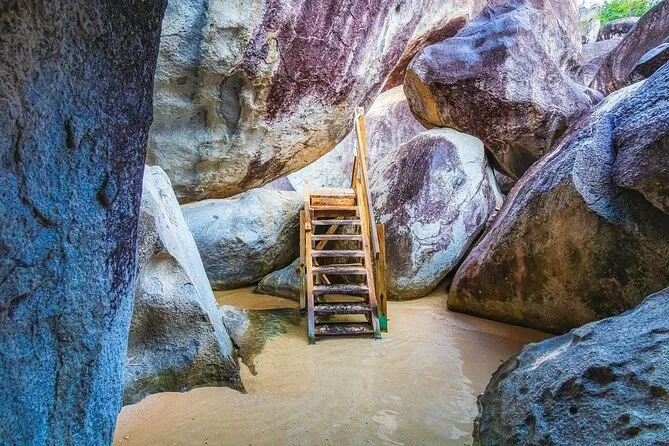
The Baths National Park on Virgin Gorda is one of the Caribbean's most photographed natural sites — and a genuine snorkeling destination in its own right. Ancient volcanic action deposited enormous granite boulders here, some the size of houses, creating a landscape of sea pools, grottos, and surge channels along Virgin Gorda's southern shore. Between and beneath the boulders, the water is 5 to 15 feet deep and crystal clear, populated by colourful reef fish that dart between the formations. The route between the boulder pools leads through a series of interconnected caves and passages to Devil's Bay on the other side — a pink sand beach accessible only through the boulder maze. The Seas the Day charter includes a Baths stop and a short hike through the formations as part of its 7-hour itinerary.
At the other end of the BVI, Jost Van Dyke sits 15 minutes north of Tortola and holds two of the Caribbean's most famous beach bars: Soggy Dollar Bar at White Bay — the birthplace of the Painkiller cocktail, accessible only by swimming ashore from an anchored boat — and the floating Willy T bar moored off Norman Island. Great Harbour on Jost Van Dyke is a good snorkeling spot in its own right, with patch reefs in the bay. Most Tortola full-day charters stop at Jost Van Dyke last, allowing time on White Bay before the return trip.
The Baths: granite boulder pools, 5–15 ft water, reef fish — snorkeling AND hiking in one stop
Devil's Bay: reached by wading through boulder grottos — pink sand beach at the far end
White Bay, Jost Van Dyke: snorkel the outer edge of the bay before swimming to Soggy Dollar
Jost Van Dyke patch reefs: Great Harbour holds coral heads in 10–20 feet, easily snorkeable
The Baths and Jost Van Dyke are both included on the Seas the Day 7-hour charter
Peter Island, Salt Island & Fallen Jerusalem — Diamond Reef Snorkeling in the BVI's Wild South
Peter Island lies directly south of Tortola across the Sir Francis Drake Channel and offers some of the most dramatic reef snorkeling in the BVI for confident swimmers comfortable in slightly deeper water. Coral pinnacles at 20 to 45 feet host nurse sharks resting on sandy ledges, dense schools of reef fish, and spotted eagle rays patrolling the outer edges of the reef. Deadman's Bay on the island's north shore is one of the quietest white sand beaches in the BVI — a beach stop often included on custom private charters.
Salt Island holds the BVI's most famous snorkel-accessible wreck: the RMS Rhone, a 310-foot Royal Mail steam packet that sank in a catastrophic hurricane in 1867 with the loss of 123 lives. The ship's bow section rests at 25 to 30 feet — snorkel depth — with the stern dropping to 80 feet for divers. The wreck is heavily encrusted with coral and sponges after 150 years, and is home to moray eels, barracuda, snappers, and large grouper. Fallen Jerusalem, a small rock islet south of Salt Island, is one of the BVI's most rewarding sites for underwater photography — its rock formations and small caves at the base of the islet create natural frames where fish and coral coexist in dense concentration. Fan coral sways over sandy patches inhabited by nurse sharks; small fish dart through the rock formations; hawksbill turtles circle the outer reef in clear water that makes this one of the region's best sites for underwater adventure photography. Diamond Reef at East End Tortola rounds out the south BVI options — hard and soft coral in 15 to 35 feet of water, with blue tangs and parrotfish in abundance on calm days.
Peter Island reefs: nurse sharks, eagle rays, coral pinnacles — recommended for experienced snorkelers
RMS Rhone bow section: snorkeable at 25–30 ft, one of the Caribbean's most celebrated wrecks
Salt Island: the tiny settlement receives royalty — locals pay one bag of salt to the British Crown annually
Fallen Jerusalem: rock formations, small caves, fan coral — exceptional site for underwater photography
Diamond Reef: healthy hard and soft coral at East End Tortola, good on calm days
Custom private charters from Tortola can reach all south BVI sites on request
Brewer's Bay, Smugglers Cove & The Bight — Shore Snorkeling on the Coast of Tortola
Not every excellent snorkeling spot on Tortola requires a private charter. Two beaches on the island itself offer snorkeling directly from shore — Brewer's Bay on the north coast and Smugglers Cove at the island's far western tip — and The Bight at Norman Island is accessible on a short boat ride from Road Town for those who want to combine shore snorkeling with a boat day. Brewer's Bay holds a reef about 50 metres from the shoreline at 5 to 20 feet of depth; sea turtles are spotted here regularly, and the reef fish — parrotfish, blue tangs, sergeant majors, small fish darting between coral formations — are dense and unhurried on calm days. Healthy coral heads rise from the sandy floor alongside fan coral and sea fans. The beach is quiet, with basic facilities and a campsite. Smugglers Cove is Tortola's most secluded beach: reef fish in clear, calm water in 5 to 15 feet, easily snorkelled by beginners or families. There are no facilities, and the road in is steep and unpaved — part of the appeal.
Along the wider coast of Tortola, Manchioneel Bay on the west end of Cooper Island (accessible on a short boat ride) offers calm, protected snorkeling in coral-rich water — one of the most popular snorkeling spots among BVI snorkeling enthusiasts who prefer a quieter alternative to Cistern Point. The private Tortola snorkeling charter tour in this guide also visits hidden beaches and a sea cave that are not reachable on foot from any road.
Brewer's Bay: reef at 5–20 ft, sea turtles regular, fan coral, coral formations — free, no booking needed
Smugglers Cove: calm days, clear water, 5–15 ft, no facilities — best BVI shore snorkeling on Tortola
The Bight: accessible on a short boat ride, excellent snorkeling over sand and coral in 10–25 ft
Manchioneel Bay, Cooper Island: popular snorkeling spot, calm and coral-rich, short boat ride from Tortola
Both Tortola shore spots require a rental car or taxi — no public transport reaches either beach
Snorkeling conditions best before 11 AM — afternoon easterly wind picks up surface chop
Monkey Point, Ginger Island & Anegada — Reef Snorkeling & Underwater Adventure in the Outer British Virgin Islands
The most adventurous snorkeling in the BVI lies beyond the main Sir Francis Drake Channel — at remote sites that reward snorkeling enthusiasts willing to make a full boat day of it. Monkey Point on Guana Island, on the BVI's north side, is a favourite snorkeling spot among experienced guides for its variety of marine life: spotted eagle rays patrol the reef edges, several species of sea turtles (green, hawksbill, and occasionally leatherback) use the surrounding seagrass beds, and coral reefs in 20 to 40 feet hold a colorful underwater world of tropical fish, fan coral, blue tangs, and queen angelfish. The site sees far fewer boats than Cistern Point or The Indians, making it an excellent snorkeling destination for groups who want to snorkel in the BVI without the cruise-ship crowd.
Ginger Island, south of Cooper Island, is a popular snorkeling spot among those touring around the BVI on private charters — its exposed reef holds healthy coral formations, coral reefs in 15 to 35 feet, and great snorkeling with abundant fish and coral density. Small fish are plentiful; barracuda cruise the outer edges; fan coral sways over sandy gullies. Great Camanoe, a private island north of Tortola near Scrub Island, offers some of the most sheltered snorkeling locations on the BVI's north side — calm days bring visibility to 40 feet, and the reef fish population is healthy and largely undisturbed. Scrub Island itself is home to a marina and resort, with a fringing reef that's accessible to resort guests and snorkeling adventure seekers on private charters. Treasure Point at Guana Island rounds out the north BVI options — a favourite snorkeling spot among guides for its healthy coral and abundant fish life in undisturbed water.
Anegada, the BVI's flat coral island 15 miles north of Tortola, is the archipelago's most remote destination for snorkeling. The island's fringing reef — Horseshoe Reef, the fourth largest barrier reef in the world — is a maze of coral heads, sea fans, and channels stretching for miles along Anegada's south and east shores. This is the favorite snorkeling spot in the entire British Virgin Islands for those who make the journey: visibility can reach 60 feet, the variety of marine life is exceptional, and the popular snorkeling spots along the reef are patrolled by eagle rays, hawksbill turtles, and schools of tropical fish that have never seen high visitor volume. Reaching Anegada requires a full day charter with an early departure — around the BVI by fast powerboat, Anegada is roughly 90 minutes from Road Town. The journey is part of the adventure.
Monkey Point, Guana Island: eagle rays, several species of sea turtles, fan coral — low boat traffic
Ginger Island: healthy reef, fish and coral in abundance, popular snorkeling stop on outer BVI charters
Great Camanoe & Scrub Island: sheltered snorkeling locations on calm days — north BVI with excellent visibility
Treasure Point: favorite snorkeling spot among local guides, undisturbed healthy coral
Anegada: world-class coral reef snorkeling adventure in the British Virgin Islands — full-day charter required
All outer BVI sites require a private charter — contact operators to request custom around the BVI itineraries
Best Time to Snorkel in Tortola: BVI Season Guide
Tortola snorkeling is possible year-round — the water stays between 76°F in February and 82°F in September, and visibility is always better than in most tropical destinations. That said, conditions vary significantly between seasons, and if your travel dates are flexible, the window from November through April offers the best combination of visibility, calm seas, and comfortable air temperature. The critical variable is the BVI's hurricane season, which runs officially from June 1 through November 30, with peak activity in August and September.
Month
Water Temp
Visibility
Sea Conditions
Notes
January–March
76–78°F
40–60 ft
Calm, gentle trade winds
Peak snorkeling season — best visibility, driest weather, crowds higher in February–March
April–May
79–80°F
30–50 ft
Calm to moderate
Shoulder season — good visibility, fewer tourists, lower prices
June–July
81–82°F
20–40 ft
Variable, wetter
Early hurricane season — tours run but monitor weather; visibility starts to drop
August–September
82–84°F
15–30 ft
Potentially rough
Peak hurricane risk — some operators suspend; book refundable or avoid entirely
October–November
80–82°F
25–45 ft
Improving
Post-hurricane recovery — good value, visibility recovering, quieter islands
December
78–79°F
35–55 ft
Calm, dry season starting
Great conditions — Christmas–New Year sees highest demand; book charters early
Marine Life You'll See Snorkeling in Tortola & the BVI
The British Virgin Islands hosts over 200 species of marine life across its reefs, seagrass beds, and open channels. These are the species you are most likely to encounter on a Tortola snorkeling charter.
Green Sea Turtle
Most reliable sighting — Cistern Point & Norman Island. Graze seagrass beds year-round.
Spotted Eagle Ray
Cistern Point, Cooper Island Reef, Monkey Point. Glide in pairs or small groups.
Hawksbill Turtle
Reef edges and coral heads throughout the BVI. Spotted most often around Norman Island.
Nurse Shark
Peter Island, Fallen Jerusalem, sandy patches at 15–35 ft. Harmless — rests on the seabed.
Moray Eel
RMS Rhone wreck and Norman Island caves. Long-nosed morays peer from coral crevices.
Parrotfish
Abundant on all BVI reefs. Responsible for much of the white sand — they eat coral and excrete sand.
Blue Tang
Schools of vibrant blue fish at Diamond Reef and The Baths. The 'Dory' of BVI reefs.
Barracuda
Near RMS Rhone and open water. Long, silver, fast — curious but harmless to snorkelers.
Spiny Lobster
Under overhangs at Cooper Island Reef and Fallen Jerusalem. Best seen at dusk.
Angelfish
Queen and French angelfish throughout the BVI's coral heads. Brilliantly coloured.
Tortola BVI Snorkeling — Charter Routes & Top Spots
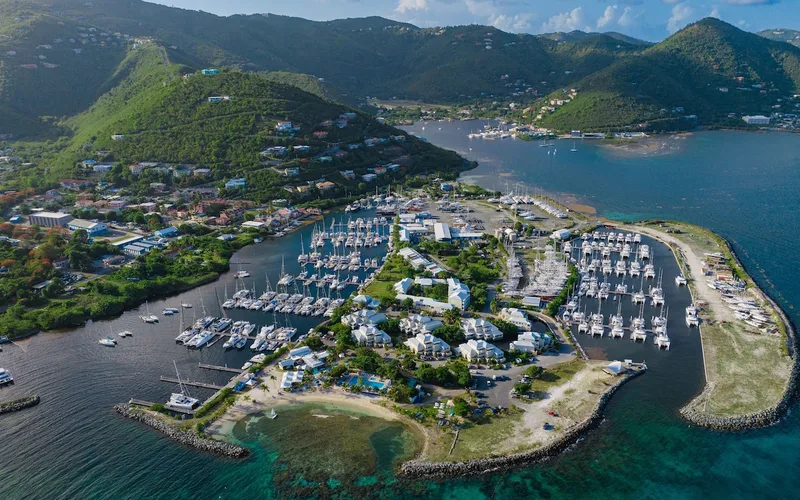
Most full-day Tortola snorkel charters depart from Road Town Harbour on the south coast. The main snorkeling destinations — Norman Island, Cooper Island, The Baths on Virgin Gorda, and Jost Van Dyke — are all within 45 minutes by private power boat. The Tortola beach snorkel tour departs from a central Tortola meeting point arranged at booking.
When to Go Snorkeling in Tortola — BVI Conditions by Season
The BVI snorkeling calendar is shaped by two forces: the December–April dry season (best visibility, calmest seas) and the June–November hurricane season (wetter, windier, some risk). Here is how each season compares.
December–April — Peak SeasonBest visibility (40–60 ft) · Calm trade winds · Driest weather · Highest demand · January–March: clearest BVI water of the year
May–June — Shoulder SeasonGood visibility (30–50 ft) · Calm to moderate seas · Fewer crowds · Lower prices · Great value; conditions still excellent
July–September — Hurricane SeasonVariable visibility (15–30 ft) · Rougher seas possible · Hurricane risk peaks August–September · Book fully refundable — storms can cancel charters
October–November — Recovery SeasonImproving visibility (25–45 ft) · Calmer as season ends · Quiet islands · Good value · October is underrated — fewer tourists, conditions recovering
What Travelers Say About Snorkeling in Tortola
The sea caves at Norman Island were the highlight of our entire Caribbean vacation. Hundreds of fish, shafts of light through the water, and a green turtle that swam right up to us in the cave entrance. Our captain on the Seas the Day charter knew exactly where to anchor so the light was perfect. I've snorkeled all over the world and this was genuinely in my top five.
Sophie · United Kingdom
We had a great day! Raj and Joelle were really accommodating and super friendly. The music they played was great too. We really enjoyed ourselves and will definitely do it again on our next cruise — Jost Van Dyke at the end of the day was exactly as beautiful as everyone says.
Deborah · United States
Captain Tyro took us on a beautiful tour of the BVI — The Baths were an amazing thing to see, gelato at Cooper Island was a great touch, and snorkeling at The Indians was unlike anything I've done before. The whole day felt like it was planned just for us because it literally was. A BVI excursion you do not want to miss.
Meghan · United States
We snorkeled, hung out on beaches, and chilled on the boat as we toured the BVI. Our captain was very knowledgeable and knew all the spots where to go. He got us back to our cruise ship with plenty of time. We snorkeled at Norman Island and the caves were spectacular — sea turtles everywhere. Would 100% do this again.
Paul · United States
The sheltered channels between Tortola and the outer BVI islands — 60-foot visibility on calm days, sea turtles and spotted eagle rays below, and private charters that go wherever your group chooses.
Why Book a Tortola Snorkeling Charter Here
Private Charters — Every BVI Experience Is Exclusive
There are no large-group snorkeling boats in the BVI. Every charter departs with your group only — no strangers, no fixed itinerary you cannot adjust, and no waiting for 30 people to get back on board. The captain and crew are focused entirely on making your day work. If you want an extra 20 minutes at Norman Island's sea caves or a detour to a quiet cove you spotted on the map, you just ask. Private snorkeling in Tortola works this way because the BVI's islands require a boat, and a private boat is the right way to do it.
The BVI Has the Caribbean's Most Diverse Snorkel Sites
Within a single day on the water from Tortola, you can snorkel inside sea caves, over coral reef gardens with spotted eagle rays, between ancient granite boulders at The Baths, beside sleeping nurse sharks on sandy ledges, and through a 150-year-old shipwreck visible from the surface. No other Caribbean destination within a single boat day offers this range of snorkeling environments. The sites are all close together, protected from Atlantic swell, and in water that stays clear and warm all year.
All Marine Life Is Wild and Abundant
The BVI is one of the last places in the Caribbean where wild marine life encounters are consistent, not staged. Green and hawksbill sea turtles graze the seagrass at Cistern Point every day of the year. Spotted eagle rays patrol Cooper Island Reef in pairs and groups. Nurse sharks sleep undisturbed in the sandy trenches at Fallen Jerusalem. The marine life here has never been fed for tourist encounters — these are animals going about their lives in a protected island environment, and they behave accordingly.
Free Cancellation — Book Without Risk
Caribbean weather is mostly predictable, but the BVI sits at the edge of the Atlantic and can produce unexpected swells or squalls. Every charter on this page offers free cancellation up to 24 hours before departure. Book your date as soon as you know your travel plans — then check the forecast the evening before and reschedule if conditions look poor. No penalty, no vouchers, no fine print. The earliest charters often fill first during peak season, so reserving early protects your spot.
Where to Stay on Tortola
Every charter on this page leaves from a marina, and two of these hotels sit on one.
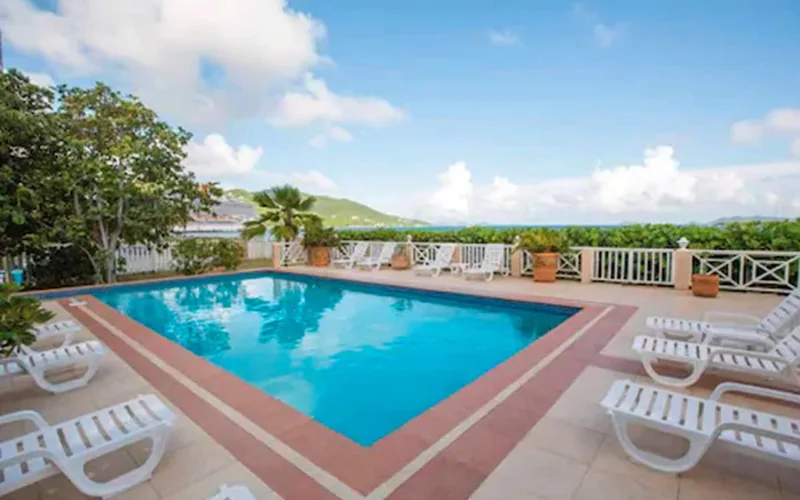
Nanny Cay Resort and Marina
9.4/10
Nanny Cay · on the marina charters leave from · 259 Expedia reviews
The highest guest score here, 9.4/10 from 259 Expedia reviews
On Nanny Cay marina, where several charters depart
Pool on site, and listed as fully refundable when we checked
We have not stayed at these hotels. Guest scores, review counts and nightly rates are what Expedia listed for a midweek night in September 2026, checked on 1 August 2026.
Tortola Snorkeling FAQ — BVI Charter Questions Answered
Is snorkeling in Tortola good?
Yes — snorkeling in Tortola and the British Virgin Islands is among the best in the entire Caribbean. The BVI's sheltered channels produce calm, clear water with 40 to 60 feet of visibility in peak season, and the diversity of snorkeling environments within a single day's boat travel is exceptional. Norman Island's sea caves, Cistern Point's sea turtle reef, Cooper Island's coral gardens, The Baths at Virgin Gorda, and the RMS Rhone shipwreck visible from snorkel depth are all accessible on a full-day private charter from Tortola. Water temperature stays between 76°F and 82°F year-round with no wetsuit required. The BVI's protected status means marine life is abundant and unhurried — green sea turtles, spotted eagle rays, nurse sharks, moray eels, and over 200 fish species are regularly encountered.
What are the best snorkeling spots in Tortola and the BVI?
The top snorkeling spots accessible on a Tortola charter are: The Indians and sea caves at Norman Island (the BVI's most iconic snorkel site, with three lit sea caves at 15–40 feet), Cistern Point at Cooper Island (most reliable sea turtle and eagle ray spot in the BVI), The Baths National Park on Virgin Gorda (giant granite boulders and reef fish in 5–15 feet), Peter Island reefs (nurse sharks and coral pinnacles for more experienced snorkelers), Monkey Point at Guana Island (sea turtles and eagle rays at 20–40 feet), and the RMS Rhone wreck at Salt Island (bow section snorkeable at 25–30 feet). For shore snorkeling directly on Tortola, Brewer's Bay and Smugglers Cove both have accessible reef with sea turtle sightings. Other notable BVI snorkeling spots include Fallen Jerusalem, Diamond Reef at East End, and the reefs around Anegada. See our full tour reviews for the <a href='/blog/seas-the-day-bvi-charter-review/'>Seas the Day BVI charter</a>, the <a href='/blog/bvi-full-day-island-tour-soggy-dollar-willy-t/'>Soggy Dollar & Willy T full day island tour</a>, and the <a href='/blog/half-day-snorkeling-tour-tortola-bvi/'>half-day Tortola snorkeling tour</a>.
Do you need a private charter to snorkel in Tortola?
For the best BVI snorkeling spots — Norman Island, Cooper Island, Virgin Gorda, Jost Van Dyke — yes, you need a boat. All of these destinations are separate islands with no road access from Tortola, and a private charter is the standard way to reach them. Two beaches on Tortola itself — Brewer's Bay and Smugglers Cove — offer shore snorkeling you can access by rental car or taxi, but the reef quality and marine life diversity is lower than at the offshore islands. The private Tortola snorkeling tour in this guide visits a hidden sea cave and top beaches by boat starting from $300 per group, which is the most accessible entry point to BVI boat-based snorkeling.
What marine life will I see snorkeling in Tortola?
The most commonly sighted species on Tortola snorkeling charters are green sea turtles (consistent at Cistern Point and Norman Island), spotted eagle rays (common at Cooper Island Reef and Monkey Point), hawksbill sea turtles, parrotfish, blue tangs, French and queen angelfish, moray eels, and barracuda. Nurse sharks are regularly seen resting on sandy patches at Peter Island and Fallen Jerusalem. Schools of reef fish are dense at all BVI snorkel sites — sergeant majors, blue chromis, sergeant majors, and rock beauties are ubiquitous. The RMS Rhone wreck at Salt Island hosts large grouper and barracuda alongside the encrusted coral and sponges that have colonised the hull. Stingrays are occasionally seen in sandy bays. Marine life sightings depend on conditions and the specific sites your captain chooses.
When is the best time to snorkel in Tortola?
The best time to snorkel in Tortola is November through April, when the dry season brings the clearest BVI water (40–60 feet visibility), calmest trade winds, and most reliable snorkeling conditions. January, February, and March offer peak conditions with minimal rain and flat seas in the sheltered channels between islands. April and May are a good shoulder-season option — visibility is still excellent, fewer tourists, and prices are slightly lower. The BVI hurricane season runs June through November, with peak risk in August and September; some operators suspend trips during named storms, so book fully refundable dates if you travel in this window. October is underrated — the season is winding down, conditions are recovering, and the islands are quiet.
Can beginners snorkel in Tortola?
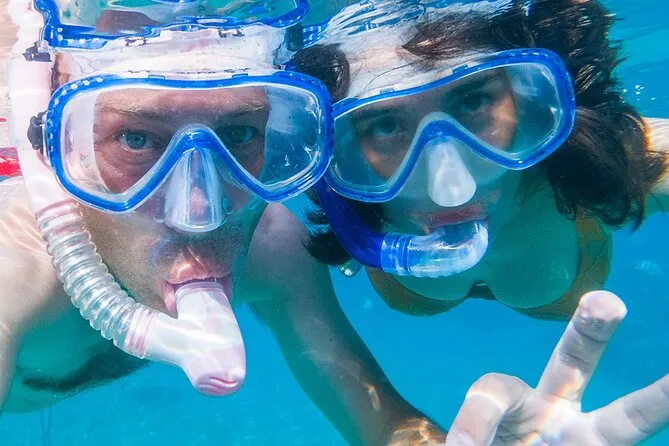
Yes — most Tortola snorkeling sites are suitable for beginners. The BVI's sheltered channel locations mean seas are typically calm without strong currents or surge. The Indians sea caves at Norman Island and Cistern Point at Cooper Island both offer snorkeling at 10 to 25 feet in protected water suitable for all experience levels. The Baths on Virgin Gorda offers snorkeling at 5 to 15 feet among granite boulders with very calm conditions. Shore snorkeling at Brewer's Bay and Smugglers Cove on Tortola is also beginner-friendly. All private charter boats provide snorkel gear, life jackets if needed, and a captain who will guide you to spots matched to your group's comfort level. The only sites that require experience are Peter Island's deeper reefs and the RMS Rhone wreck at Salt Island.
How much do Tortola snorkeling tours cost?
Tortola snorkeling prices range from $300 per group for a 4-hour private beach and cave snorkel tour up to $1,690 per group for a full-day BVI island-hopping charter with 5 island stops. The private half-day Tortola snorkeling tour ($300) is the most accessible option for groups on a budget who want BVI boat snorkeling without the full-day commitment. The two 7-hour full-day charters ($1,600 and $1,690 per group for up to 7–12 guests) represent excellent value when split across a group — for 6 people the per-person cost is $265–$280, all-inclusive with drinks, lunch stops, and snorkel gear. There are no per-person snorkel tours available in the BVI — all options are private group charters.
Is the Norman Island cave snorkeling safe?
Yes — the Norman Island sea caves are a gentle snorkeling site suitable for all experience levels, including children (with adult supervision). The caves are open at the top — they are rock overhangs rather than enclosed tunnels — so natural light fills the interior and there is no confined-space element. Depth inside the caves ranges from 15 to 30 feet. The main hazards are boat traffic (stay within the snorkel area your guide designates) and surge on rough days (your captain will advise if conditions make the caves unsuitable). On the majority of visits — in calm weather — the caves are a comfortable, unforgettable snorkeling experience.
Where should I stay on Tortola for snorkeling trips?
Stay at or near a marina: the charters leave from Road Town and Nanny Cay, and a 7am departure is easier when the boat is downstairs. Expedia guests rate the marina hotels 8.2/10 and better, with rooms from about $146 a night. See three of the best-reviewed in where to stay on Tortola.
The Seas the Day charter and the Soggy Dollar full-day trip are booked 68–83 days in advance on average — reserve your date now for the best availability.
Free cancellation on all bookings. No risk to reserve today.
 from $1,690